Understand the request
The receptionist identifies whether the caller wants hair, nails, brows, lashes, spa, a consultation, or help with an existing appointment. It collects the caller information your team needs before checking time.
Hair, nails, beauty, and spas
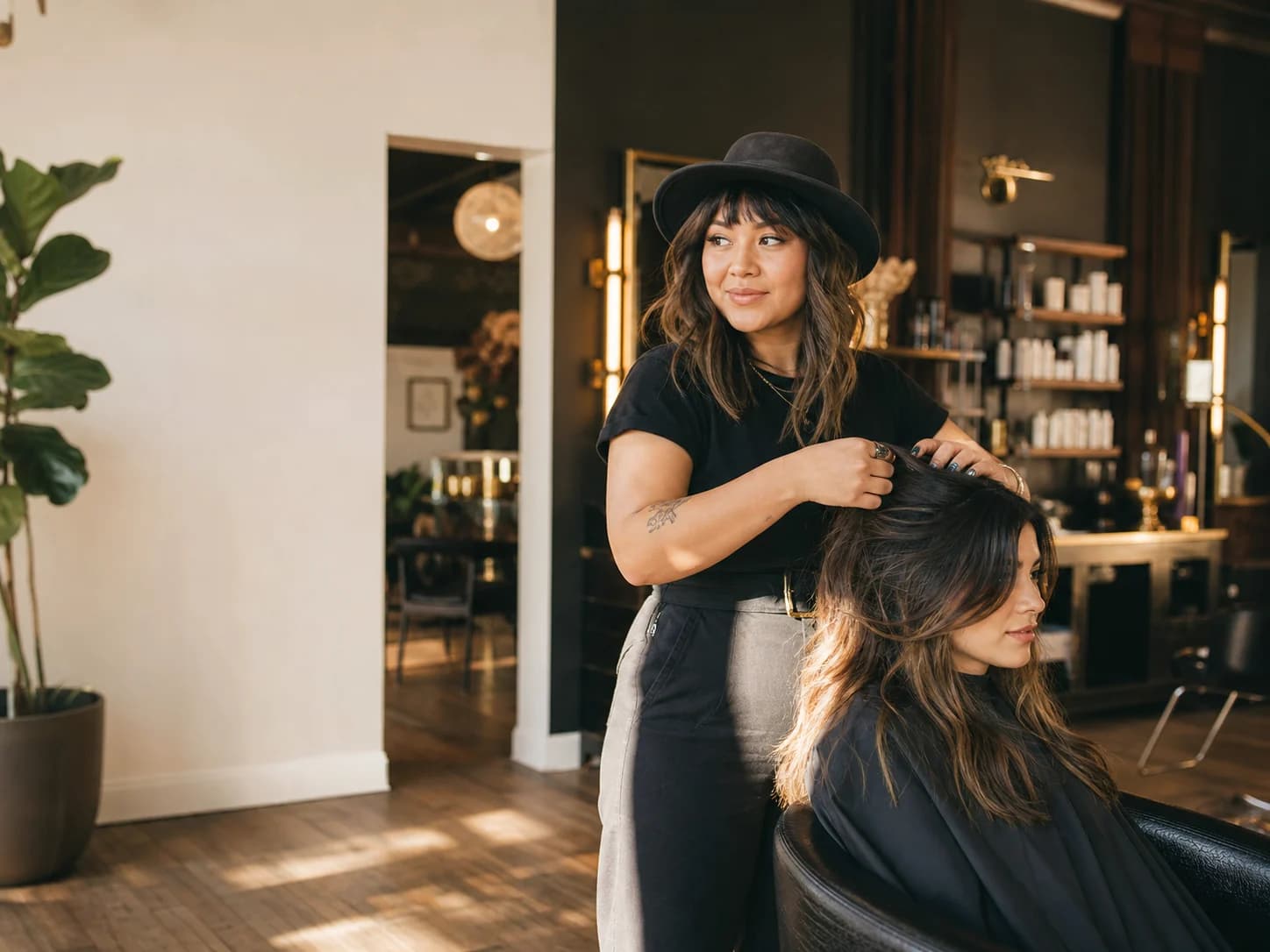
AutoFlowDesk helps hair salons, nail studios, beauty teams, and spas answer booking calls, collect the details that change appointment length, and work from real staff availability while artists stay present with clients.
No credit card required to start.
Example call brief
New beauty appointment
The direct answer
A salon AI receptionist is a phone agent configured with the salon’s services, hours, staff eligibility, durations, booking rules, and escalation boundaries. It can answer routine questions, ask what the client wants, identify a preferred artist, check an eligible calendar, and place a confirmed appointment without treating every request like the same generic time slot.
The useful distinction is not whether a system can speak. It is whether the call flow reflects real salon operations. A haircut, structured manicure, lash fill, and facial have different durations and preparation questions. A new color client may need a consultation. A requested artist may be unavailable while another qualified team member has time. AutoFlowDesk keeps those decisions tied to configured rules and calendar availability instead of asking the language model to improvise.
From ring to resolved
The receptionist identifies whether the caller wants hair, nails, brows, lashes, spa, a consultation, or help with an existing appointment. It collects the caller information your team needs before checking time.
Service duration, business hours, staff eligibility, preferred-provider requests, time off, and existing calendar conflicts determine which openings can be offered. The owner calendar does not have to pretend to be every employee.
A valid choice becomes a calendar event with the captured details. If the request needs a consultation, policy exception, sensitive judgment, or unavailable information, the call can be routed for human follow-up instead of receiving a made-up answer.
Booking detail matters
These are configuration examples, not fixed defaults. Your service names, durations, staff eligibility, preparation questions, and booking rules remain specific to your business.
A returning root touch-up and a first-time corrective color request should not use the same flow. The receptionist can identify whether a consultation or additional detail is required before offering time.
Rule to configure: Which services require consultation, deposit, patch-test, or human approval before booking.
A manicure with removal or detailed art may need more time than a standard service. Asking the add-on questions during the call helps protect the next appointment from an unrealistic slot.
Rule to configure: Add-on questions, adjusted duration, and which nail artists are eligible for the requested work.
Routine fills and standard treatments may be bookable, while first-time, contraindication, or judgment-based questions should go to a trained person. The call flow can separate scheduling from advice.
Rule to configure: The exact point where routine intake ends and staff escalation begins.
Good work for automation
Keep a person in the loop
Questions salon owners ask
Yes, when staff eligibility and calendars are configured. A caller can request a person, and availability can be checked against that staff member’s connected calendar. If the requested person is unavailable, the salon decides whether the receptionist offers another eligible team member or asks for a different time.
For staff-specific availability, each bookable provider needs a reliable calendar signal. AutoFlowDesk can work with existing Google Calendars or dedicated calendars created during setup. Google Calendar remains the source of truth for conflicts rather than maintaining a second hidden schedule.
It should not. The receptionist is configured from the salon’s approved service and policy information. Unknown, ambiguous, or exception-based questions belong in a human handoff path. Keeping that boundary explicit is part of setup, not an afterthought.
Yes. Salons can use the receptionist for after-hours coverage, overflow, or a dedicated line depending on their phone setup. The practical goal is to reduce routine interruption while preserving human access for the conversations that need it.
Keep researching
See how service duration, stylist preference, and consultation rules shape hair bookings.
Read nextSee how removal, nail art, technician choice, and simultaneous staff calendars fit the call flow.
Read nextA practical checklist for capabilities, limitations, calendar setup, and launch.
Read nextReady to map your call flow?
Start with your real services, timing, staff, and escalation rules.